Table of contents
Shopping for groceries can quickly add up, but with the right strategies, it's possible to keep costs down and maximize savings every week. By learning how to find the best deals, anyone can stretch their budget further without sacrificing quality or variety. Discover valuable techniques in the following paragraphs to transform your weekly grocery experience and unlock hidden savings.
Scan weekly flyers
Mastering the art of finding weekly grocery deals starts with careful examination of grocery flyers. These valuable resources often highlight the most attractive sale items prominently on the front and back pages, usually featuring "loss leader" products—items priced below market value to draw shoppers in. By identifying these specials, consumers can plan meals around discounted ingredients, maximizing savings and reducing overall expenditure on groceries. Make a habit of reviewing multiple grocery flyers side by side, either in print or online, to compare offers and ensure access to the best available discount groceries each week.
Timing also plays a major role; most stores change their promotions on a set day, so shopping soon after new deals are posted ensures access to fully stocked sale items. Incorporating shopping tips such as making a list tailored to flyer specials prevents impulse buying and helps budget more efficiently. For those interested in digital convenience, resources like the No Frills Flyer provide an easy way to browse offers from home, enabling efficient planning and cost-effective shopping. Regularly referencing these flyers can transform the weekly shopping routine into a strategic activity focused on value and smart choices.
Leverage digital coupons
Digital coupons are a practical tool for maximizing grocery savings and accessing exclusive online grocery deals. Many grocery chains now offer app-based or website-linked digital coupons, which can be seamlessly loaded onto store loyalty cards or accounts before shopping. To save money grocery shopping, consider organizing these digital offers by store and expiration date using a spreadsheet or dedicated couponing app, ensuring none are overlooked at checkout. Coupon stacking allows shoppers to combine manufacturer digital coupons with store-specific offers, amplifying discounts and lowering the final bill. Before heading to the store, review both the retailer’s app and popular third-party coupon sites to identify overlapping deals, but be sure to read fine print and avoid stacking offers where prohibited to prevent disappointment at the register. By routinely checking for updated digital coupons and mastering coupon stacking, shoppers can transform routine trips into opportunities for substantial grocery savings.
Buy in bulk wisely
When aiming to save money groceries, understanding the right approach to buy in bulk can make a significant difference in household spending. Bulk grocery shopping is often most effective with non-perishable items such as rice, pasta, canned vegetables, and dried beans, as well as household essentials like paper goods or cleaning products. For products with shorter shelf lives, such as meat or dairy, consider the feasibility of freezing or proper bulk food storage to avoid spoilage. Always calculate the grocery cost per unit by dividing the total price by the number of items or the weight to ensure the bulk deal truly provides savings compared to standard-sized packages. This method allows shoppers to identify genuine discounts and avoid misleading promotions.
Before making large purchases, assess available storage space to prevent clutter and food waste; overbuying can negate savings if items expire before use. Pay attention to family consumption habits and only buy in bulk for products used regularly. Watch for special promotions or warehouse store memberships that offer additional discounts. With careful planning and attention to cost per unit, bulk grocery shopping can be a smart strategy to save money groceries without compromising quality or causing unnecessary waste.
Compare unit prices
Understanding how to compare unit prices is a powerful strategy when searching for the best grocery deals each week. Unit pricing grocery labels appear on store shelves, usually in small print beneath the main price tag, showing the price per standard measurement such as per ounce, pound, or liter. By focusing on unit pricing, shoppers can accurately assess the true value of different products, even when packaging sizes or promotional offers might seem confusing. For instance, a larger pack may seem like a bargain, but only by checking the price per unit can one be certain it offers better value compared to a smaller option.
Packaging is often designed to make products appear like a better deal than they actually are, with bold designs or claims like family size or value pack. To avoid being misled, always compare unit prices between brands, sizes, and even between regular and sale items. This approach helps identify when a bulk purchase is truly cost-effective and when a smaller size actually delivers superior value. Remember, the best grocery deals are not always the most prominent or heavily advertised ones; rather, they are often uncovered by diligent comparison at the shelf level, using clear unit pricing as a guide.
Developing a habit of comparing unit prices not only supports better decision-making but also enables shoppers to save money groceries over time. Incorporating this method into your regular grocery shopping tips ensures that every purchase is based on factual cost comparison, rather than marketing influence. Mastering unit pricing empowers consumers to make informed choices, maximize their budgets, and resist the temptation of misleading packaging, transforming everyday grocery shopping into a more thoughtful and rewarding experience.
Shop seasonally and locally
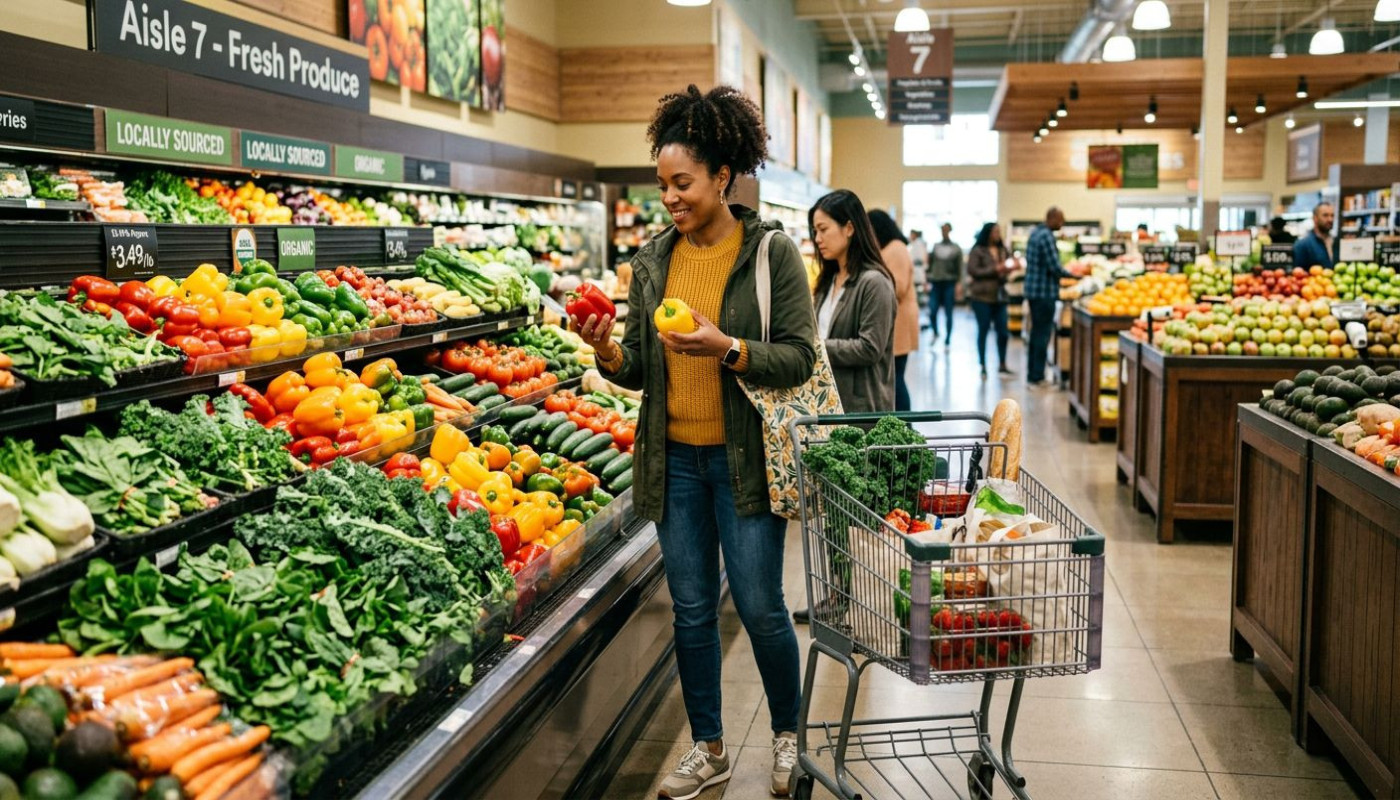
Choosing to shop seasonally and focus on local grocery deals offers a direct path to fresh groceries at lower prices. Seasonal produce, harvested at its peak, not only tastes better but also benefits from seasonal pricing, which reflects the abundance and lower transportation costs during harvest periods. When you adapt meal plans to what's in season, you capitalize on these price drops, helping you save money on groceries while enjoying optimal quality and nutrition. Farmers' markets, local co-ops, and neighborhood grocers are prime sources for the best local deals. Since these outlets often source directly from nearby farms, their offerings are fresher and less affected by supply chain markups. In sum, shopping seasonally and locally is a smart strategy for anyone seeking to maximize grocery savings, enhance meal freshness, and make environmentally conscious choices.
Similar articles

Comprehensive Guide To Compliance For 501(c)(5) Organizations

UK companies to cut about 900,000 jobs in 2020

How AI Is Revolutionizing The Speed And Efficiency Of Influencer Marketing?

How to find your ideal partner on dating sites?
